
Apicoectomies & Endodontic Microsurgery – Jersey City, NJ
Protecting Your Smile from Infection

Root canal therapy has a very high success rate, but there is a possibility that a little bit of infected tissue will be left behind after the procedure. In many cases, we can address this issue and protect your oral health with a form of endodontic microsurgery known as apicoectomy. Have you recently had a root canal performed but think there may still be an issue with your tooth? Get in touch with North Jersey Endodontic Group of Jersey City to schedule an appointment so that we can figure out the best way to protect your smile.
Why Choose North Jersey Endodontic Group of Jersey City for Apicoectomies & Endodontic Microsurgery?
- Team of Skilled Endodontists
- Advanced Technology for More Comfortable Treatments
- Same-Day Emergency Appointments
What Is an Apicoectomy?
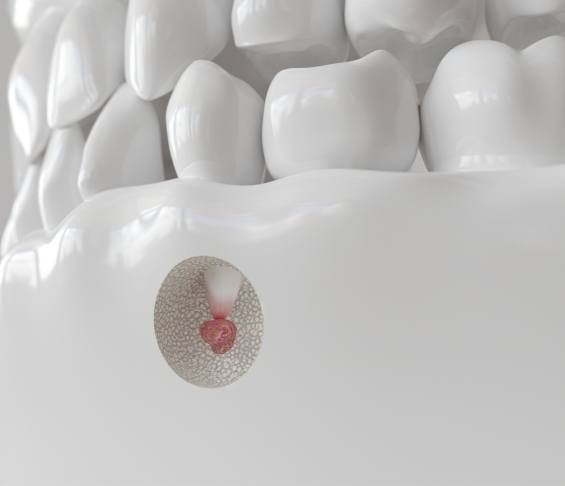
To prevent the tooth in question from needing to be extracted, an apicoectomy may need to be performed to get rid of any inflamed or infected tissue in the area. We will also remove the tip of the root of the tooth.
We may find that an apicoectomy is required if there is a hole in the root of the tooth. It may also be a viable option if the tooth has become fractured. Rest assured that we will only suggest having an apicoectomy performed if we think your smile truly needs it.
The Apicoectomy Treatment Process
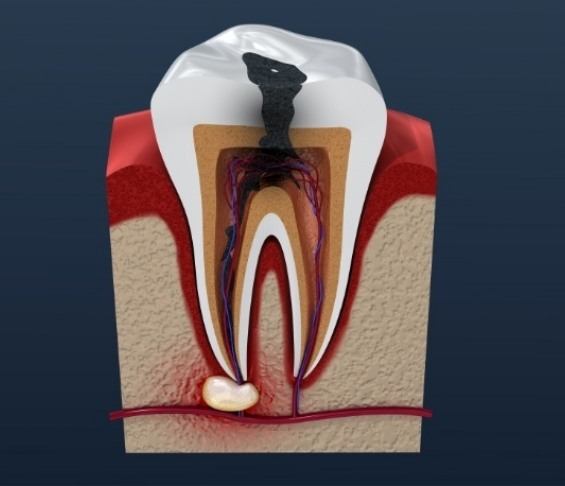
Naturally, step one is to use a local anesthetic to make sure your mouth stays numb during the procedure. Once that’s done, the gums will be opened so that we can access the roots of the affected tooth. Any infected tissue in the area will be removed along with the tips of the roots. We’ll also take the time to clean the inside of the tooth before we reseal it. Once the gums have been sutured shut, the procedure will be complete.
What Happens After My Apicoectomy?

There may be a little discomfort and swelling after your treatment, but it shouldn’t be anything you can’t handle with over-the-counter medications like ibuprofen. In some cases, you may need to take some prescription antibiotics to protect your smile from infection. Normally, you should be able to go back to your routine after a couple of days. Your post-treatment symptoms should fade over time; if they don’t, please call us right away to let us know.
Understanding the Cost of An Apicoectomy

It is necessary for you to meet with one of our endodontists to discuss the cost of root canal treatment. Not only will they provide clear instructions on what you can expect from the procedure, but they’ll also detail the various factors that make up the total cost of your care. Each case is different, so there cannot be a firm price for this service. However, you can expect our team to explain how to best use your dental insurance so that your out-of-pocket expenses remain low.
Factors That Can Affect Apicoectomy Costs

Determining the cost associated with your apicoectomy requires your emergency dentist in Jersey City to look at the following factors before generating an estimate:
- How widespread and severe the infection is will determine how long the procedure will take and what kind of resources will be necessary to ensure successful results.
- Which tooth requires treatment, as certain ones may be more difficult to access, which can pose potential complications.
- The kinds of dental technologies and techniques used, such as laser-assisted devices and other similar solutions, can increase the overall cost.
- Whether you plan to use your dental insurance to help cover a portion of the total cost of surgery.
Does Dental Insurance Cover Apicoectomies?

Naturally, when learning you need this kind of procedure, you’ll want to know if your dental insurance will help pay a portion or all of the total cost. Depending on your plan and available benefits, your insurance provider may agree to cover 50% or more. This is largely based on whether you’ve met your annual deductible and how much of your existing annual maximum remains available to use toward restorative care.
Our team will readily review your plan and help you determine how best to move forward without paying high out-of-pocket prices.
Apicoectomy FAQs
When Is an Apicoectomy Necessary?
An apicoectomy may be performed after root canal therapy if the treated tooth did not heal properly. This procedure can be used to get rid of any remaining infected tissue and prevent the need for an extraction.
You might benefit from an apicoectomy if you are still experiencing pain or other symptoms after root canal therapy. It is also the standard treatment if we see evidence of damage to the tooth’s root or surrounding bone. If you believe you need this procedure, we encourage you to visit us for a consultation. After we examine you and take some images, we can advise you on your next steps.
How Long Does It Take to Recover from an Apicoectomy?
Most patients can go back to work within a few days, though soreness may linger for longer than that. Also, keep in mind that different patients heal at different rates, so do not try to rush anything. Get plenty of rest, take over-the-counter pain medications, and follow any other post-op instructions from our team. For most patients, the recovery process goes very smoothly, and they are able to get back into the swing of things in what seems like very little time.
What Are the Benefits of an Apicoectomy?
An apicoectomy can provide multiple benefits, the biggest of which is that it can allow you to keep your natural tooth. Therefore, it can spare you from the complications that can come with missing dentition, such as dental drift or embarrassment due to an incomplete smile. It can also save you from having to pay for tooth replacement.
Other benefits of an apicoectomy include:
- Even though it is more complex than regular root canal therapy, it is still a minimally invasive procedure.
- Apicoectomies have a success rate of over 90%.
- The treatment process is relatively comfortable.
Does an Apicoectomy Come with Any Risks?
An apicoectomy is generally a very safe treatment. However, just like any other dental or medical procedure, it is not totally risk-free. In rare cases, patients develop an infection or experience nerve damage. It is also rare for an apicoectomy to fail, which can lead to the need for a tooth extraction.
You can minimize risks associated with the procedure by entrusting your care to a qualified team and carefully following all of their instructions. Our practice’s four endodontists are highly skilled and take great care to optimize patient outcomes.
Can Apicoectomies Be Performed on Both Children and Adults?
Yes, this procedure may be recommended for either children or adults. Individuals of all age groups can benefit from it, and very often, the results are long-lasting. Apicoectomies may be performed on either baby teeth or permanent teeth.